What matters at a Goodyear property
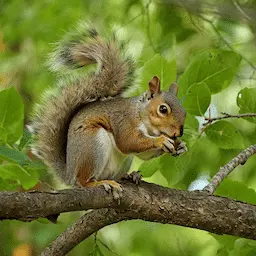
Rock squirrels are among the Arizona species homeowners may encounter. Around a Goodyear home, note whether activity stays at ground level, uses a block-wall opening, or reaches tile, vents, solar equipment, or the attic.
Signs worth mentioning on the call
Daytime scratching or scampering
Repeat movement to one roof or wall opening
Gnawing or nesting material near a vent
Burrow or shelter activity near a wall or slab
Get from wildlife signs to a clear removal plan.
Explain where the activity is happening and what you observed. That helps the wildlife professional plan the inspection, animal work, repairs, and cleanup.
A safer sequence before work begins
- 1
Record the time and exact active area
- 2
Inspect only from a safe ground-level position
- 3
Confirm the species and entry route
- 4
Compare removal, sealing, cleanup, and follow-up
Safety and agency flag
Do not handle or corner a squirrel, and do not close an opening while an animal or dependent young may remain inside.
Questions to ask before authorizing work
- Does the quote identify the likely entry point and the animal evidence?
- Are inspection, removal, exclusion repairs, cleanup, and follow-up priced separately?
- What happens if the animal cannot be confirmed during the first visit?
- Who handles permits, protected species, or public-health escalation if needed?
Primary and official sources
Verify the current guidance
Common questions
Before you make the call
Are daytime roof noises always squirrels?
No. Birds and other animals can create similar sounds. Timing, entry evidence, and a direct inspection help confirm the cause.
Is sealing one opening enough?
Only if the active animal and any young are accounted for and the rest of the structure has been checked for alternate routes.