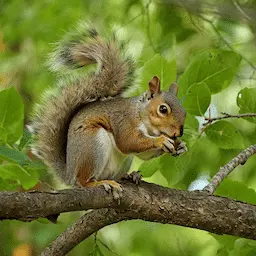
What matters at a Goodyear property
Note whether evidence is in the attic, garage, pantry, exterior equipment area, or landscaping edge. Ask whether sanitation and sealing are included in the plan.
Signs worth mentioning on the call
Small droppings or gnaw marks
Nighttime scratching in walls or ceilings
Rub marks along repeat travel paths
Gaps at roof, garage, pipe, or utility penetrations
Get from wildlife signs to a clear removal plan.
Explain where the activity is happening and what you observed. That helps the wildlife professional plan the inspection, animal work, repairs, and cleanup.
A safer sequence before work begins
- 1
Protect food and pet supplies
- 2
Map fresh evidence before cleanup
- 3
Inspect likely exterior routes
- 4
Compare monitoring, removal, sealing, and follow-up
Safety and agency flag
Avoid dry sweeping droppings or placing poison where a carcass may become inaccessible. Follow appropriate cleanup guidance for contaminated areas.
Questions to ask before authorizing work
- Does the quote identify the likely entry point and the animal evidence?
- Are inspection, removal, exclusion repairs, cleanup, and follow-up priced separately?
- What happens if the animal cannot be confirmed during the first visit?
- Who handles permits, protected species, or public-health escalation if needed?
Primary and official sources
Verify the current guidance
Common questions
Before you make the call
Is trapping enough?
Not if the structure remains open. Long-term control usually requires identifying and correcting access plus food and water attractants.
Are rodents handled by wildlife or pest providers?
It varies by company and scope. Confirm that the provider accepts the exact animal, structure, and cleanup work before scheduling.